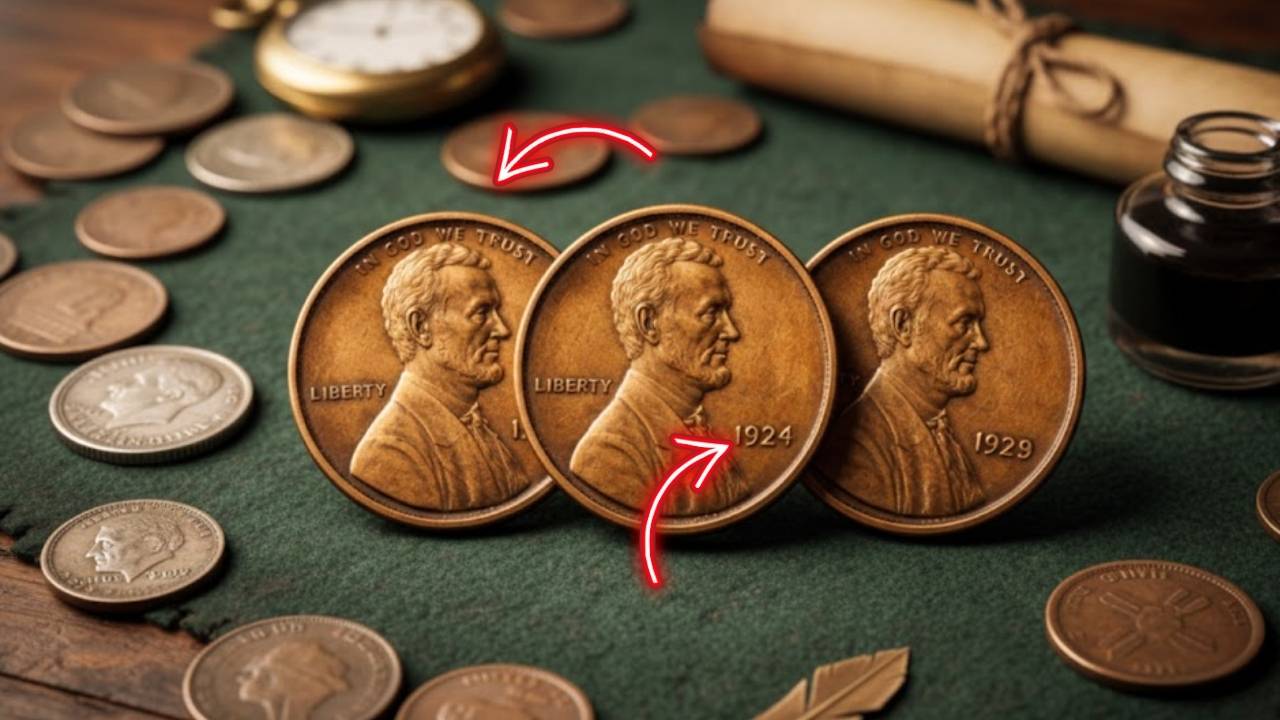
Wheat Pennies Value Trends Lincoln Wheat pennies, also known as Wheat Cents, remain one of the most collected coins in U.S. numismatics. Minted between 1909 and 1958, they are easily recognized by the two wheat stalks on the reverse. Once common pocket change, these coins have experienced notable shifts in value over the past decade. Understanding how prices have evolved helps collectors make informed decisions and plan for the future.
Wheat Pennies Value Trends Over the Past 10 Years
| Wheat Penny Category | Average Value 10 Years Ago | Average Value Today | Overall Trend |
|---|---|---|---|
| Common Circulated Issues | $0.05 – $0.25 | $0.25 – $2 | Gradual rise |
| High-Grade Common Dates | $2 – $5 | $10 – $30 | Strong growth |
| Key Date Wheat Pennies | $300 – $800 | $1,000+ | Sharp increase |
| Error and Variety Coins | $50 – $500 | $200 – $2,000+ | High demand |
The steady appreciation across these categories highlights how scarcity, condition, and collector awareness have reshaped the wheat penny market, especially for rare dates and error coins.
Why Wheat Pennies Remain Popular With Collectors
The appeal of Wheat Pennies lies in their history and accessibility. They were the first U.S. cents to feature a real historical figure, Abraham Lincoln, instead of a symbolic design. Collectors enjoy that these coins are still affordable compared to other early American issues, while offering the thrill of discovering scarce and valuable varieties.
Price Changes Over the Last Decade
Over the past ten years, wheat penny prices have steadily climbed. Common dates remain easy to find, but coins in higher grades and those with lower mintages have seen sharper increases. Online auctions, transparent pricing tools, and growing interest from new collectors have fueled this upward trend.

Common Wheat Pennies and Market Behavior
High-mintage wheat pennies are still widely available. Worn examples sell for modest amounts, but coins with sharp detail, minimal wear, and attractive toning now command much higher prices than they did a decade ago.
Key Dates and Scarce Wheat Penny Varieties
Certain dates are essential for serious collectors. Coins such as the 1909-S VDB, 1914-D, and 1931-S have shown significant appreciation. Their limited production and strong collector demand continue to push values higher, especially in uncirculated grades.
The Role of Condition in Wheat Pennies Value
Condition has become one of the most important factors in determining value. Even small differences in grade can create large price gaps. Demand has increasingly shifted toward coins in higher grades, which consistently outperform lower-grade examples.
Market Forces and Copper Influence
Modern collecting platforms, social media exposure, and digital price guides have renewed interest in wheat pennies. Rising copper prices have slightly boosted their baseline value, but collector demand remains the primary driver for rare dates and premium-condition coins.

How to Evaluate the Value of Your Wheat Pennies
Start by checking the date and mint mark. Assess the overall condition by examining wear, damage, or discoloration. Look closely for errors such as doubling or off-center strikes. Auction results, reputable price guides, and professional grading services provide the most reliable valuations.
Tips for Building a Strong Wheat Penny Collection
A balanced approach works best. Begin with a wide range of dates, then gradually upgrade lower-grade coins with better examples. Learn which years are considered key dates, store coins properly, and stay updated on market trends to protect long-term value.
Final Verdict
Wheat Pennies Value has shown consistent growth over the past decade, particularly for rare dates, error coins, and well-preserved examples. For collectors who research carefully and remain patient, Lincoln Wheat Cents offer both historical enjoyment and lasting market appeal.
Disclaimer
This article is intended for informational purposes only. Coin values depend on rarity, condition, grading, and market demand, all of which may change. Always consult certified coin dealers or professional grading services before making buying or selling decisions.