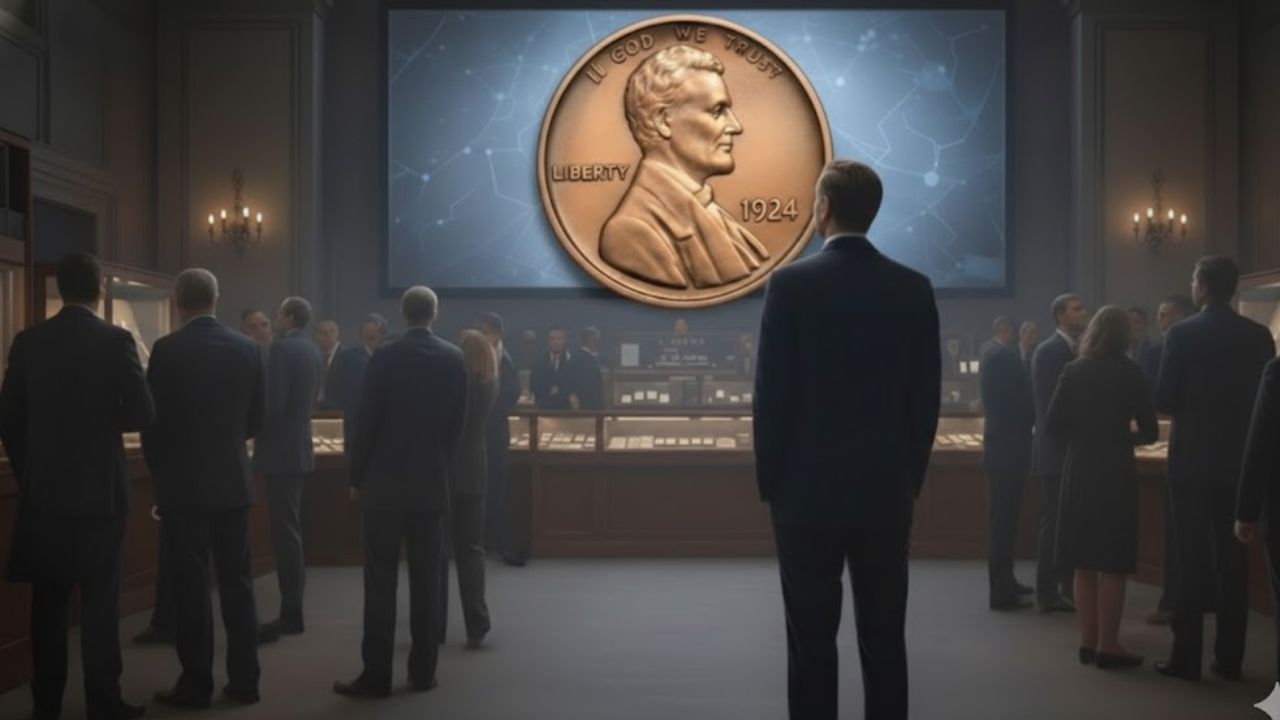
Wheat Penny Value: Lincoln Wheat Pennies, commonly called Wheat Cents, are among the most recognizable and widely collected coins in U.S. history. Minted between 1909 and 1958, they feature Abraham Lincoln on the front and two wheat ears framing the reverse design. What were once ordinary one-cent coins have steadily transformed into collectible assets, with values that have shifted noticeably over the past decade. Understanding these changes helps collectors make informed decisions and spot long-term opportunities.
Wheat Pennies Value Trends Over the Past 10 Years
| Wheat Penny Category | Average Value (10 Years Ago) | Average Value (Today) | Overall Trend |
| Common Circulated Issues | $0.05 – $0.25 | $0.25 – $2.00 | Gradual Rise |
| High-Grade Common Dates | $2.00 – $5.00 | $10.00 – $30.00 | Strong Growth |
| Key Date Wheat Pennies | $300.00 – $800.00 | $1,000.00+ | Sharp Increase |
| Error and Variety Coins | $50.00 – $500.00 | $200.00 – $2,000+ | High Demand |
The shifts shown above highlight how condition, scarcity, and collector awareness have reshaped the Wheat Pennies Value landscape, especially for key dates and mint errors.
Wheat Pennies continue to attract attention because they combine historical importance with broad accessibility. They were the first U.S. cents to portray a real individual rather than a symbolic figure, marking a turning point in American coin design. Many collectors also appreciate that wheat cents remain affordable compared to other early U.S. coins, while still offering the thrill of discovering rare and valuable examples.
Price Movement Over the Last Decade
Over the last ten years, the general direction of wheat penny prices has been upward. While heavily circulated coins still trade at modest levels, higher-quality examples and coins with lower mintages have seen faster gains. The rise of online marketplaces, auction transparency, and easy access to pricing data has introduced a new generation of collectors, increasing competition for better pieces.

Common Wheat Pennies and Market Behavior
Wheat pennies produced in large quantities remain easy to find today. Coins with significant wear usually sell for small premiums, but pieces that retain sharp details, clean surfaces, and attractive color are commanding much higher prices than they did a decade ago. Even common dates can surprise collectors when found in exceptional condition.
Key Dates and Scarce Wheat Penny Varieties
Certain wheat cents are considered essential for serious collectors. Issues such as the 1909-S VDB, 1914-D, and 1931-S stand out due to their limited production and strong collector demand. These coins have shown consistent appreciation, particularly in higher grades, as competition for well-preserved examples continues to intensify.
How Condition Shapes Wheat Pennies Value
Condition has become one of the most decisive factors in determining Wheat Pennies Value. Small differences in grade can result in large price gaps. In recent years, demand has increasingly favored coins in higher condition ranges, especially those certified by professional grading services, which tend to outperform lower-grade pieces over time.
Market Forces and the Role of Copper
Modern collecting platforms, social media exposure, and digital price guides have brought renewed visibility to wheat pennies. Rising copper prices have provided a slight boost to the baseline value of these coins, but collector interest remains the primary driver behind high prices for rare dates, errors, and premium-quality examples.

How to Evaluate Your Wheat Pennies
Start by identifying the date and mint mark, as these are critical to determining rarity. Next, examine overall condition, watching for wear, damage, or discoloration. Look closely for mint errors such as doubling, off-center strikes, or unusual features. Auction records, trusted price guides, and professional grading services offer the most accurate valuation insights.
Tips for Building a Strong Wheat Penny Collection
A smart strategy focuses on balance and patience. Begin by assembling a wide range of dates, then gradually upgrade lower-grade coins with higher-quality examples. Learn which years are considered key dates, store coins properly to prevent damage, and stay informed about market trends to protect and grow long-term value.
Final Verdict
Wheat Pennies Value has demonstrated consistent growth over the past decade, with the strongest gains seen in rare dates, error coins, and well-preserved examples. For collectors who are willing to research carefully and think long term, Lincoln Wheat Pennies offer a rewarding mix of history, affordability, and lasting collector appeal.
Disclaimer
This article is intended for informational purposes only. Coin values vary based on condition, rarity, grading, and market demand, all of which can change over time. Always consult certified coin dealers, professional appraisers, or recognized grading services before making any buying or selling decisions.