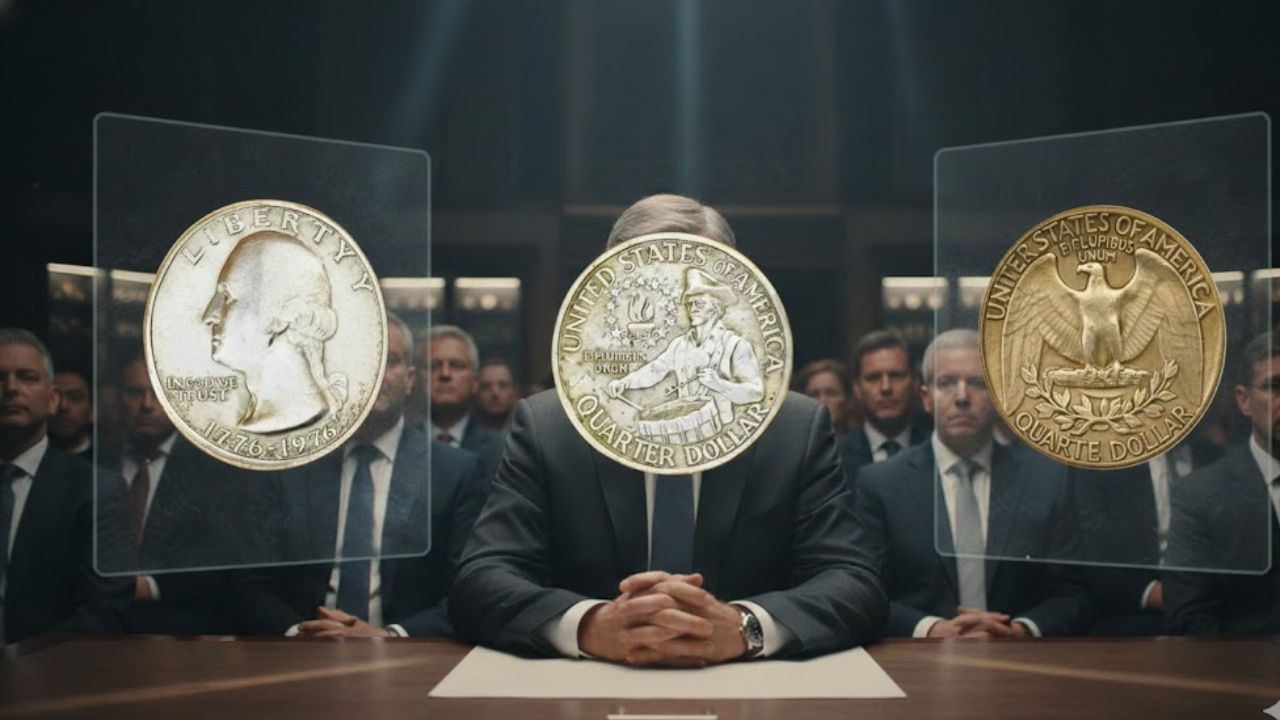
2026 Bicentennial Quarter: The 1776–1976 Bicentennial quarter is one of the most recognizable coins in American history. Issued to celebrate the 200th anniversary of the signing of the Declaration of Independence, it carries a unique design that sets it apart from regular Washington quarters. While most Bicentennial quarters remain common and worth only face value, certain rare varieties and conditions have made them highly collectible. As of early 2026, interest in these coins continues to grow, with collectors eager to uncover hidden treasures in their change jars and coin collections.
The following table breaks down the estimated market values for Bicentennial quarters as of 2026, distinguishing between common circulation strikes and rare collector varieties:
| Quarter Type | Mint Mark | Composition | 2026 Value (MS65/PR65) | Rare High-Grade Value (MS68+) |
| Circulation Strike | None (P) | Copper-Nickel Clad | $2 – $5 | $2,500+ (Extreme Rarity) |
| Circulation Strike | D | Copper-Nickel Clad | $2 – $5 | $3,500 – $5,000+ |
| Proof Strike | S | Copper-Nickel Clad | $5 – $10 | $50 – $100 |
| Uncirculated Mint Set | S | 40% Silver | $10 – $20 | $500 – $1,200 |
| Proof Silver Strike | S | 40% Silver | $15 – $30 | $150 – $400 |
| Major Error Variety | Any | Varies | $200 – $3,000+ | Auction Dependent |
The Historical Background
In the early 1970s, the United States prepared to commemorate its Bicentennial. The U.S. Mint decided to issue special designs for the quarter, half dollar, and dollar coins. For the quarter, Jack L. Ahr’s design was chosen, featuring a colonial drummer on the reverse and a torch surrounded by thirteen stars. The obverse retained George Washington’s portrait but included the dual date 1776–1976. These coins were released into circulation beginning in 1975 and continued through 1976, ensuring that every American could participate in the celebration by using commemorative currency.
The Design Features
The Bicentennial quarter stands out for its distinctive reverse design. The colonial drummer symbolizes the spirit of independence, while the torch and stars represent unity among the original thirteen colonies. The dual date 1776–1976 is another unique feature, reminding users of the nation’s founding and its 200-year journey. Collectors appreciate the artistry and symbolism of the design, which captures the essence of the Bicentennial celebration. Because of the dual date, no quarters were minted with a single “1975” or “1976” date, making the entire two-year production run a single, massive variety.
Minting and Distribution
Bicentennial quarters were minted in massive numbers, with over 1.6 billion produced at the Philadelphia and Denver mints alone. Most were struck in copper-nickel clad composition, but special collector versions were made in 40 percent silver at the San Francisco Mint. Proof sets and uncirculated sets were also issued, adding to the variety available to collectors. Because of the high mintage, most Bicentennial quarters are still found in circulation today, making them accessible to anyone who takes the time to look.
Why Most Bicentennial Quarters Are Common
Despite their historical significance, most Bicentennial quarters found in pocket change are worth only 25 cents. Their high mintage means they are not rare, and circulated examples are abundant. Even uncirculated coins are relatively easy to find, though they may carry a small premium. For the majority of these coins, their value lies in their symbolism rather than their monetary worth. However, certain varieties and conditions can elevate their value significantly, especially as “Registry Set” collectors compete for the highest-graded survivors.
Rare Varieties and Valuable Examples
Collectors seek out specific varieties of Bicentennial quarters that can be worth far more than face value. The 40 percent silver versions, identifiable by their “S” mint mark and solid silver edge (no copper stripe), are inherently more valuable. High-grade examples certified by professional grading services (PCGS/NGC) at MS68 or MS69 can command prices from $1,000 to over $5,000. Error coins, such as Doubled Die Obverses (DDO) or dramatic off-center strikes, are especially prized. One famous error is the “Struck Through Cloth” variety, where a weaving pattern is imprinted on the coin’s surface.
The Value of Bicentennial Quarters in 2026
As of 2026, the value of Bicentennial quarters depends on rarity, condition, and demand. While common clad examples remain at face value, uncirculated coins in MS67 grade often sell for $50 to $100. Silver versions are worth significantly more, with prices tied to both silver content and collector interest. Reports of quarters worth “millions” are largely sensationalist myths; however, rare overstrikes—such as a Bicentennial quarter struck on a dime—have legitimately sold for over $10,000 at recent auctions.

How to Spot Rare Bicentennial Quarters
Collectors must learn to identify the features that distinguish valuable Bicentennial quarters from common ones. Checking for the “S” mint mark is the first step in identifying silver or proof versions. Examining the coin under magnification for doubling in the words “LIBERTY” or the date can reveal a Doubled Die. Checking the edge of the coin is also vital; if you see a solid silver color without a brown copper stripe, you may have found a silver variety that accidentally entered circulation.
Collecting Strategies in 2026
For collectors in 2026, Bicentennial quarters offer an accessible entry point into numismatics. Building a complete set of Philadelphia, Denver, and San Francisco (both clad and silver) versions is a popular goal. Some collectors focus on “Filled D” or “Cud” errors, while others look for the rarest high-grade specimens. Proof sets remain a favorite among enthusiasts, providing coins in pristine condition. Online auctions and estate sales continue to be excellent sources for acquiring valuable pieces before they are identified by the general public.
The Cultural Significance of the Bicentennial Quarter
Beyond their monetary value, Bicentennial quarters hold cultural significance as symbols of national pride. They commemorate the founding of the United States and celebrate its 200-year journey. For many Americans, these coins evoke memories of the Bicentennial celebrations of 1976, including parades, fireworks, and patriotic displays. Collectors appreciate them not only as numismatic treasures but also as artifacts of history that connect generations.
Final Verdict
The 1776–1976 Bicentennial quarter remains one of the most iconic coins in American history. While the vast majority are common and worth only face value, rare varieties, silver editions, and high-grade specimens command significant premiums. As of 2026, collectors continue to seek out these coins for their historical significance and potential value. Whether found in circulation or acquired through auctions, Bicentennial quarters remind us that even the smallest coin can carry immense meaning.
Disclaimer
This article is for informational purposes only. Coin values are based on 2026 market trends and auction data. Values fluctuate based on rarity, condition, professional authentication, and current demand. Readers should consult with certified grading services or professional numismatists before buying or selling high-value coins.
Would you like me to show you the specific visual differences between a 40% silver edge and a standard clad edge so you can check your own collection?
