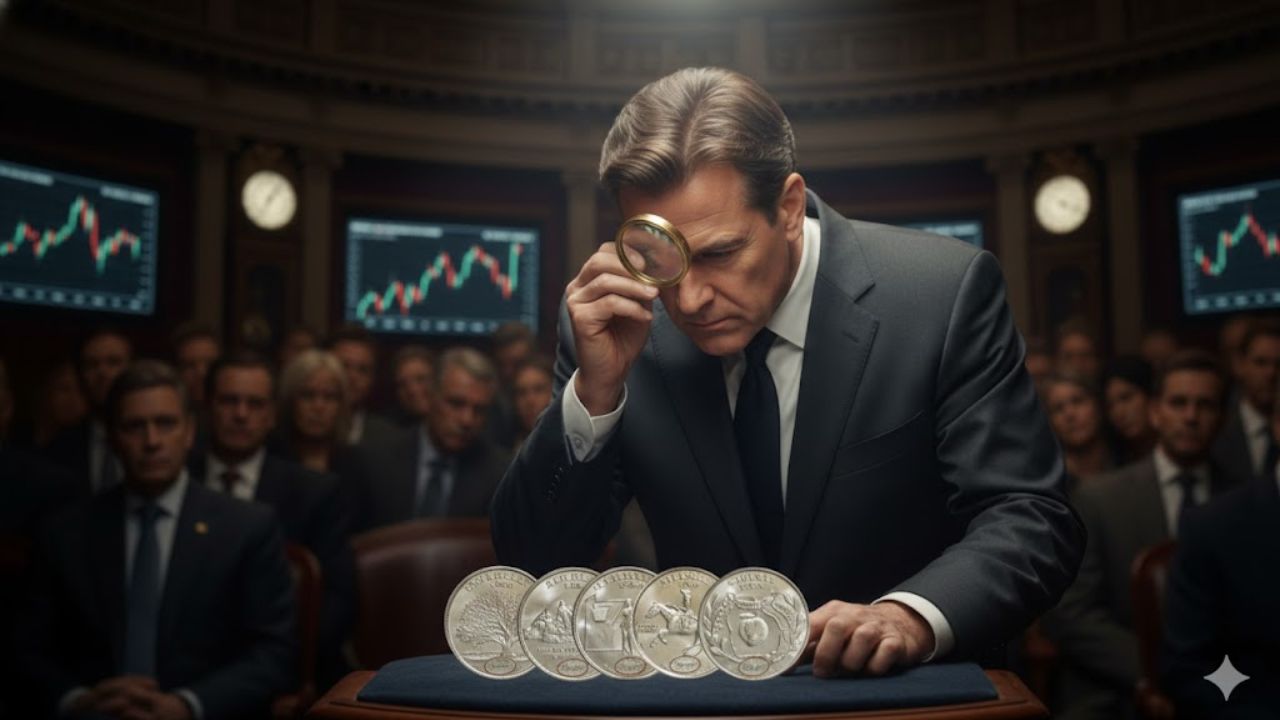
2026 State Quarters: State quarters continue to be one of the most popular modern U.S. coin series, appealing to beginners and experienced collectors alike. During the past 11 years, their market values have shifted in subtle but meaningful ways, shaped by collector demand, grading standards, online selling platforms, and rising awareness of mint errors. Although the majority of state quarters remain worth only their face value, select examples have gained steady premiums, making this segment of the coin market worth close attention. Understanding how and why these changes happened can help collectors make smarter decisions today.
The following table provides a snapshot of current market valuations for different categories of state quarters as of early 2026.
| Category | Typical Condition | Value Range Today | Market Trend |
| Circulated Quarters | Worn, everyday use | $0.25 | Stable |
| Uncirculated Rolls | Mint condition | $10 to $40 | Slowly rising |
| High-Grade Certified | MS67 and above | $100 to $3,000+ | Strong growth |
| Common Error Quarters | Minor mint errors | $20 to $200 | Increasing demand |
| Major Error Quarters | Wrong planchet, dramatic errors | $500 to $5,000+ | High interest |
The Lasting Appeal of State Quarters
The state quarters program introduced coin collecting to an entire generation. By featuring a different design for each state, the series combined history, geography, and art in a way few modern coins had done before. Years after the program ended, collectors are still drawn to building complete sets, upgrading to better-condition coins, and searching for unusual varieties. This familiarity and nostalgia have helped maintain long-term interest, preventing the market from fading as many modern collectibles do.
How State Quarter Values Have Evolved Over 11 Years
Over the last decade, prices for state quarters have followed a gradual upward trend rather than sudden spikes. Early in this period, most coins traded at or near face value, especially those pulled from circulation. As time passed, collectors began paying closer attention to condition and scarcity. Coins that were once easily found in top condition slowly became harder to locate, leading to higher prices for uncirculated and premium-quality examples. In 2026, specific issues like the 1999-S Delaware or 2008-D Alaska in pristine condition have realized auction prices exceeding $1,000 and $2,000 respectively.

The Growing Importance of Condition and Grading
One of the biggest shifts in the state quarter market has been the increased reliance on professional grading. Certified coins often sell for far more than ungraded pieces because buyers trust the accuracy and consistency of third-party grading. Over the past 11 years, collectors have become more selective, focusing on top grades rather than average examples. This has widened the value gap between common circulated coins and elite-condition pieces, such as an MS68 or MS69 grade which can command massive premiums.
Error Coins and Rising Collector Interest
Mint errors have played a major role in reshaping state quarter values. As information became easier to access online, collectors learned how to identify doubled dies, off-center strikes, clipped planchets, and wrong-metal errors. The 2004-D Wisconsin “Extra Leaf” (both High and Low varieties) remains a legendary example, often selling for $100 to over $1,000 depending on the grade. Other famous errors like the 2005 “In God We Rust” Kansas quarter or the Minnesota “Extra Tree” varieties continue to drive strong interest in 2026.
The Impact of Online Marketplaces
Digital marketplaces have changed how collectors buy and sell state quarters. Greater access to nationwide listings increased competition and made pricing more transparent. Collectors can now compare recent sales instantly, which has helped establish fair market values. Online exposure has also brought attention to overlooked varieties, such as the 1999 Delaware “Spitting Horse” or the 2007 Wyoming “Pooping Horse” die cracks, sometimes causing sharp but justified price increases as they go viral in collecting communities.
Collector Behavior and Generational Influence
Many collectors who first encountered state quarters as children in the early 2000s have returned to the hobby as adults. With greater disposable income, this group often seeks higher-quality coins, certified examples, and complete upgraded sets. This behavior has reduced the supply of premium coins in the market, supporting steady long-term price growth. This “Millennial” influence is stabilizing the market for modern clad coins that were once ignored by older purists.

Market Stability Versus Speculation
Compared to more volatile collectibles like crypto-assets or certain sports cards, state quarters have shown impressive stability. While certain coins experienced brief surges due to publicity or new discoveries, the overall market avoided extreme swings. This consistency appeals to collectors who prefer steady appreciation rather than speculative risk. In 2026, even as the U.S. Mint launches new programs like the American Women Quarters or the 2026 Semiquincentennial series, the original state quarters remain a bedrock of modern numismatics.
Future Outlook for State Quarter Values
Current trends suggest continued slow growth, especially for high-grade and error coins. As collectors become better informed, prices are increasingly driven by genuine rarity and condition rather than hype. Educational tools and online resources are likely to further refine the market, making it easier for hunters to spot the “needle in the haystack” while in general circulation.
Tips for Collectors Navigating Today’s Market
Collectors should focus on coin condition, authenticity, and proper storage. Submitting standout coins for professional grading can significantly improve long-term value. In 2026, checking for silver content in proof sets is also vital, as silver prices have increased the base “melt” value of 90% silver state quarters. Staying informed and patient has proven to be the most reliable strategy over the past 11 years.
Final Verdict
State quarters have matured into a stable and respected segment of the modern U.S. coin market. While most examples remain affordable, high-grade and error coins have shown meaningful appreciation. The past 11 years demonstrate that careful selection, knowledge, and patience can turn even modern coins into valuable long-term collectibles. As we move further into 2026, these coins serve as both a nostalgic link to the past and a viable entry point for the next generation of serious numismatists.

Disclaimer
Coin values fluctuate based on market demand, condition, rarity, and authentication. Prices mentioned are for educational purposes only and are based on early 2026 market data; they are not guaranteed. Always consult professional grading services (like PCGS or NGC) and reputable dealers before making significant buying or selling decisions.
Would you like me to generate a specific identification checklist for the top 5 most valuable state quarter errors currently trending in 2026?
