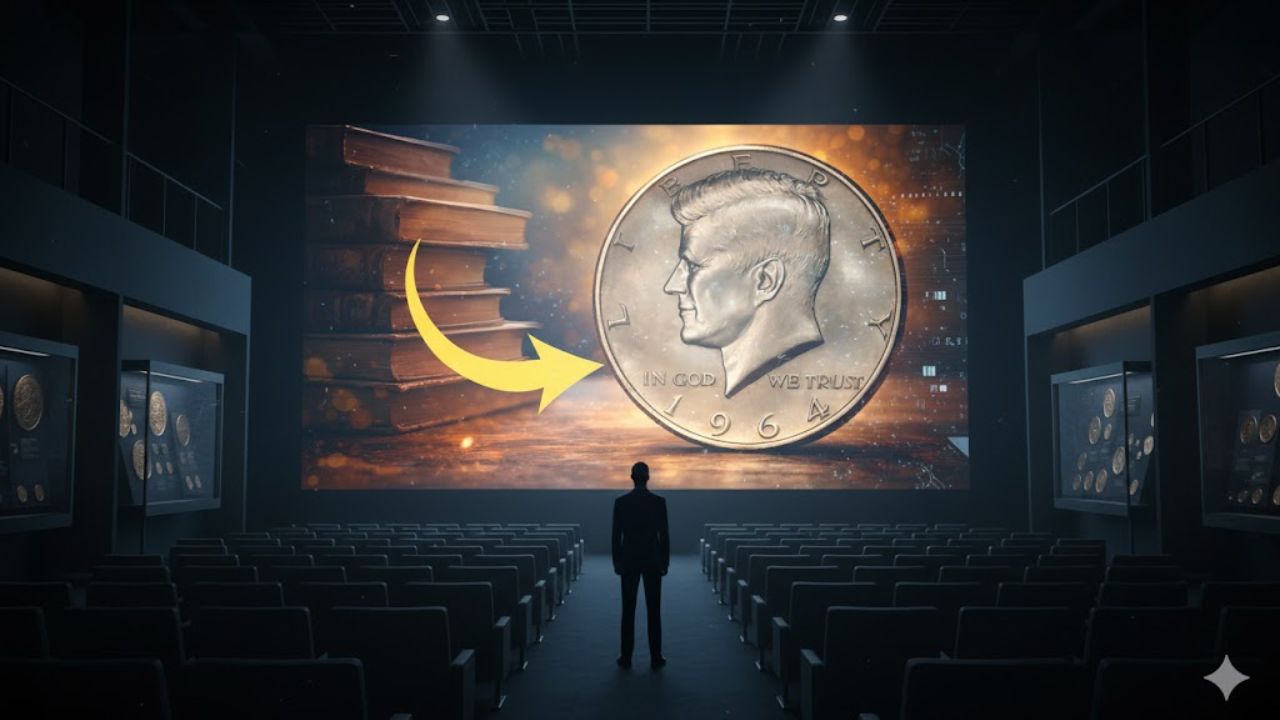
Rare 1879 Morgan Silver: The recent unearthing of a long-forgotten 1879 Morgan Silver Dollar has created a surge of interest among numismatists. Found in a secluded estate collection, this coin provides a window into the late 19th-century American economy. George T. Morgan designed this silver piece following the Bland-Allison Act of 1878, which required the U.S. government to purchase and mint significant amounts of silver. While the series is famous, the 1879 issue is especially prized because it represents a period when minting officials were still perfecting production methods, leading to rare die variations.
The 1879 Morgan Silver Dollar was struck at four different mints: Philadelphia, San Francisco, New Orleans, and Carson City. Each mint produced coins with unique characteristics, and today, the mint mark found on the reverse side—below the eagle’s tail feathers—is a primary factor in determining market demand.

Market Value and Mintage Specifications for 1879 Morgan Dollars
The following table summarizes the mintage figures and estimated market values for the different 1879 Morgan Silver Dollar varieties based on recent 2026 data.
| Mint Location | Mint Mark | Total Mintage | Circulated Value (Estimated) | Uncirculated Value (MS65+) |
| Philadelphia | None | 14,806,000 | $90 – $105 | $3,500 – $29,500 |
| San Francisco | S | 9,110,000 | $94 – $110 | $1,250 – $22,000 |
| New Orleans | O | 2,887,000 | $90 – $115 | $2,600 – $25,000 |
| Carson City | CC | 756,000 | $185 – $4,950 | $26,500 – $100,000+ |
Rare Varieties and Collector Significance
Collectors pay close attention to specific die varieties within the 1879 series. One of the most famous is the 1879-S “Reverse of 1878,” which features a flat-breasted eagle and parallel top arrow feathers, a leftover from the previous year’s design. This variety is considerably scarcer than the standard 1879-S design. Another high-value target is the 1879-CC “Capped Die” variety, where the CC mint mark appears doubled or distorted due to a rusted or altered punch.

Because silver is a reactive metal, the way these coins were stored over the last century significantly impacts their current worth. Coins that developed a natural, colorful patina—often called rainbow toning—can command much higher prices at auction than those with dull or cleaned surfaces. Professional grading by services like NGC or PCGS is essential for confirming the authenticity and specific grade of these high-value treasures.
Final Verdict
The 1879 Morgan Silver Dollar remains a cornerstone of American coin collecting. Its combination of historical weight, varying mint locations, and the potential for rare die varieties makes it a primary target for both casual hobbyists and serious investors. While common circulated versions are relatively accessible, the discovery of uncirculated or rare Carson City specimens continues to drive record-breaking sales in the modern market.
Disclaimer
The values provided are based on market trends and auction data as of early 2026. Coin values fluctuate based on the current price of silver, collector demand, and the specific grading by professional services. This article is for informational purposes only and does not constitute financial or investment advice.
