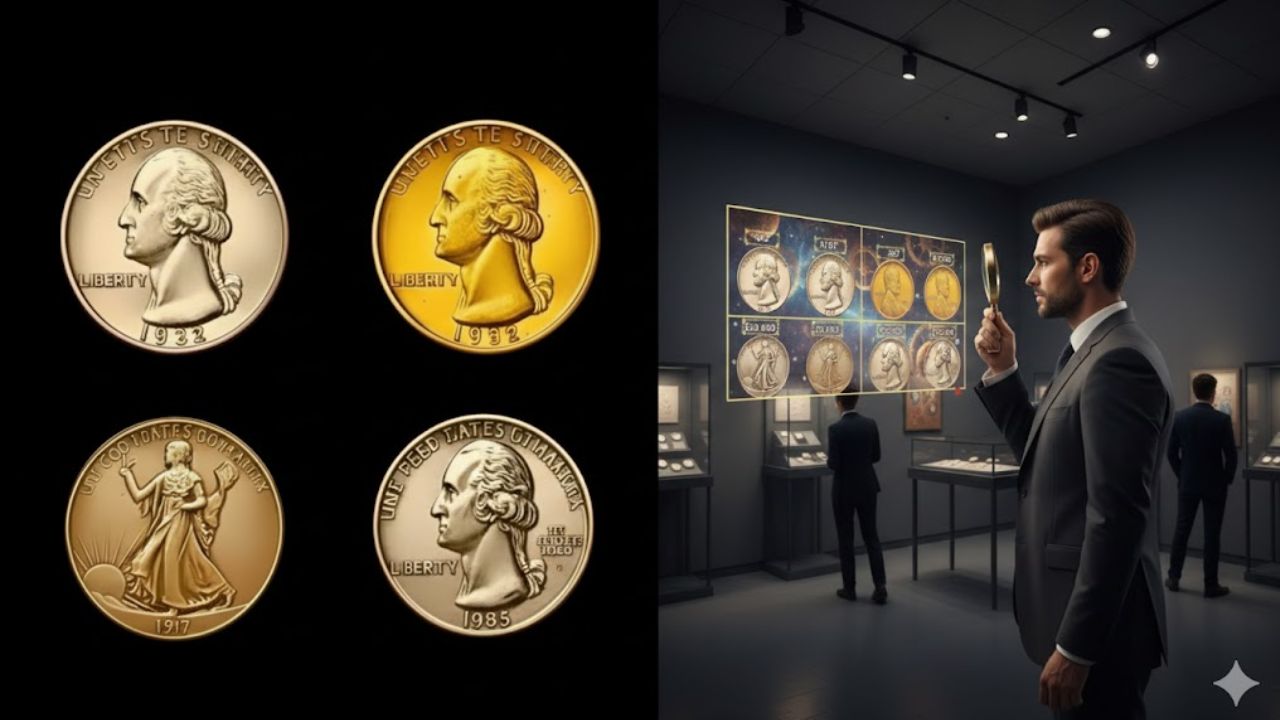
Top 5 Rare Eisenhower: The transition of the American silver dollar throughout the 20th century offers a fascinating look at the nation’s shifting priorities and artistic tastes. From the neoclassical elegance of the Peace dollar to the industrial and celestial themes of the Eisenhower dollar, these large-format coins have become staples for collectors. The Peace dollar emerged from a desire to commemorate the cessation of hostilities after World War I, while the Eisenhower dollar was born from a need to honor a legendary general and the technological feat of the Apollo missions. Understanding the nuances of these series allows collectors to distinguish between common circulation strikes and high-value rarities that are prized for their preservation and minting history.
The following table provides a quick reference for the primary specifications and thematic elements of both iconic series.
| Coin Series | Years of Production | Metal Composition | Primary Designer | Themes and Symbolism |
| Peace Dollar | 1921–1935 | 90% Silver, 10% Copper | Anthony de Francisci | Post-WWI Peace, Liberty, Victory |
| Eisenhower Dollar | 1971–1978 | Copper-Nickel Clad / 40% Silver | Frank Gasparro | Leadership, Apollo 11, Bicentennial |
The Artistry and Scarcity of the Peace Dollar Series
The Peace dollar is often cited as one of the most beautiful coins ever struck by the United States Mint. Its high relief 1921 edition is particularly famous among numismatists for its depth and sculptural quality. However, because the high relief caused excessive wear on the minting dies, the design was flattened for subsequent years. The 1928 Philadelphia strike remains the most difficult date for collectors to acquire due to its incredibly low mintage of just over 360,000 units. For many, completing a full set of Peace dollars represents a significant milestone in coin collecting, as it requires finding well-preserved specimens from the Great Depression era.
The Eisenhower Dollar and the Dawn of the Space Age
Named after President Dwight D. Eisenhower, the “Ike” dollar was the first large-size dollar coin struck in base metal for general circulation. While the standard coins were made of a copper-nickel clad, the San Francisco Mint produced 40% silver versions specifically for collectors. A major area of interest within this series is the 1972 Type 2 reverse, which features a distinct rendering of the Earth that was accidentally struck using a proof die. These variations, along with the 1776–1976 Bicentennial issues featuring the Liberty Bell and the Moon, make the Eisenhower series a rich field for variety hunters.
Identifying Rare Varieties and Minting Errors
To maximize the value of a collection, enthusiasts must learn to spot subtle differences that elevate a coin’s status. In the Peace dollar series, this involves looking for VAM varieties, which are specific die breaks or doubling patterns. In the Eisenhower series, the focus often shifts to the quality of the strike and the “Earth” details on the reverse. Because these coins were heavy and often stored in large bags, they frequently suffered from “bag marks” or scratches. Finding an Eisenhower dollar in a high uncirculated grade like MS66 or MS67 is significantly more difficult than finding one in a lower grade, leading to substantial price premiums at auction.
Preservation and the Importance of Professional Grading
Maintaining the condition of silver and clad dollars is essential for long-term value. Exposure to humidity or PVC-containing plastics can cause unsightly toning or permanent surface damage. Serious collectors often submit their best finds to grading services such as PCGS or NGC. These organizations verify the coin’s authenticity and assign a grade on the Sheldon Scale. A certified coin is much easier to sell or trade, as the grade is backed by a professional guarantee. For high-value coins like the 1921 High Relief Peace dollar, professional grading is a mandatory step for any serious transaction.
The Future of Dollar Coin Collecting
As we move through 2026, the market for large-format dollars remains robust. These coins represent a time when physical currency was a significant part of daily life and a canvas for national pride. Whether you are interested in the silver content of the early 20th-century strikes or the historical errors of the 1970s, the Eisenhower and Peace dollars offer something for every level of interest. Their size and weight provide a tactile connection to history that smaller modern coins simply cannot replicate.
Final Verdict
The Peace and Eisenhower dollars are pillars of American numismatics that offer a unique blend of historical storytelling and investment potential. While most circulated Eisenhower dollars are worth only their face value, the rare silver proofs and low-mintage Peace dollars continue to appreciate as historical artifacts. Engaging with these series requires a balance of historical research and a sharp eye for detail, making it one of the most rewarding pursuits in the hobby of coin collecting.
Disclaimer
The information provided in this guide is for educational and entertainment purposes only. Coin values fluctuate based on market conditions, collector demand, and silver spot prices. While some coins are described as rare or valuable, the majority of specimens found in casual settings are common. Always seek a professional appraisal from a certified numismatist before making significant financial investments in rare coins.

Would you like me to create a visual identification guide for the different “Earth” varieties found on the 1972 Eisenhower dollar to help you check your own coins?
