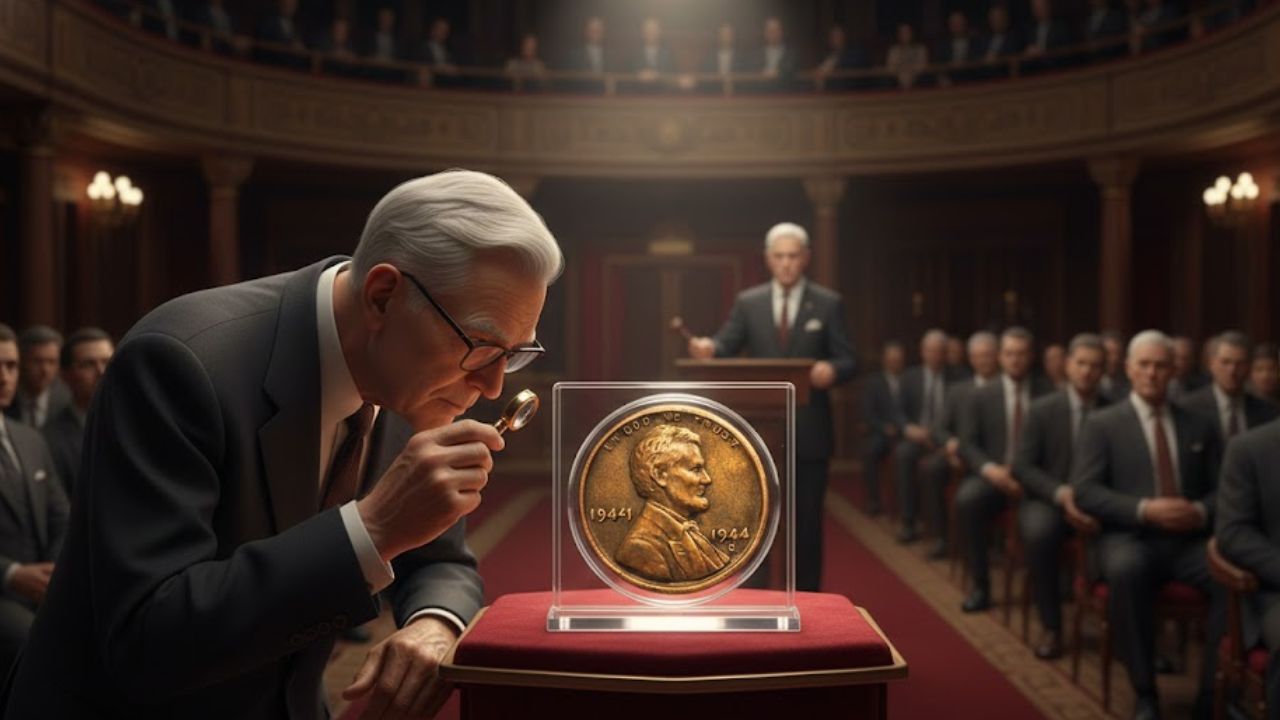
Wheat Penny Values 2026: The Wheat Penny, also known as the Lincoln Wheat Cent, is one of the most cherished coins in American numismatics. Produced from 1909 to 1958, it showcases Abraham Lincoln on the front and two wheat stalks on the back. While these pennies once circulated widely as everyday currency, today they are highly collectible. In 2026, collectors are eager to understand how Wheat Penny values have changed over the past decade and which rare varieties command the highest premiums.
Wheat Penny Value Table 2026
| Wheat Penny Variety | Mint Mark | Circulated Value | Mint State Value | Notes |
|---|---|---|---|---|
| 1909-S VDB | S | $50–$200 | $10,000+ | Extremely rare, cornerstone for collectors |
| 1914-D | D | $40–$150 | $8,000+ | Low mintage Denver coin |
| 1922 No D | D | $25–$100 | $5,000+ | Mint error, missing mint mark |
| 1931-S | S | $20–$75 | $2,500+ | Low San Francisco mintage |
| 1943 Steel Penny | None | $0.50–$5 | $100+ | Unique wartime issue |
| 1955 Double Die | None | $250–$500 | $25,000+ | Famous doubled lettering error |
The History of the Wheat Penny
The Wheat Penny was launched in 1909 to commemorate Abraham Lincoln’s 100th birthday. Designed by Victor David Brenner, it was the first U.S. coin to feature a real person rather than a symbolic figure. The reverse design, with two wheat stalks, represented growth and prosperity. While minor design tweaks occurred over its lifetime, the Wheat Penny remained in circulation until 1958, when it was replaced by the Lincoln Memorial Cent. Today, these coins are prized for their historical and cultural significance.
Key Dates and Rare Wheat Pennies
1909-S VDB
The 1909-S VDB is the most iconic Wheat Penny. Only 484,000 were minted in San Francisco, making it extremely rare and highly desirable. Collectors consider it a centerpiece of any Wheat Penny collection.
1914-D
This Denver-minted issue is another essential rarity. Limited production and survival rates make high-grade examples particularly valuable.
1922 No D
A fascinating mint error, the 1922 No D was struck without a Denver mint mark. Coins with this variety are highly sought after for their uniqueness.
1931-S
The 1931 San Francisco issue had a modest mintage of just under one million, making it scarce in comparison to other years and valuable in higher grades.

1943 Steel Penny
During World War II, copper was reserved for the war effort, so pennies were struck in steel. These coins are notable for their silver-grey color and collectibility, although they are more common than some key date Wheat Pennies.
1955 Double Die
One of the most famous U.S. coin errors, the 1955 double die exhibits doubling on the lettering of the obverse. This error makes it highly prized and valuable at auction.
Mint Marks and Their Significance
Mint marks are small letters indicating where a coin was produced. For Wheat Pennies, these include D (Denver), S (San Francisco), and no mark for Philadelphia. Mint marks are critical for assessing rarity and value, as coins from San Francisco and Denver often have lower mintages. Understanding these marks is essential for accurate valuation of Wheat Pennies.
Value Trends Over the Past Decade
Wheat Penny values have risen steadily over the last ten years. In 2016, most common circulated Wheat Pennies were worth slightly above face value. Today, even typical dates in good condition can fetch a dollar or more. Rare varieties such as the 1909-S VDB and 1914-D have seen dramatic increases, often selling for tens of thousands at auction. Famous error coins like the 1955 double die continue to command record prices, reflecting strong collector demand and interest in historical coins.
Factors Affecting Wheat Penny Value
Condition
Coins in excellent condition with minimal wear are worth significantly more than heavily circulated examples. Mint State coins with sharp details and original luster are the most valuable.
Rarity
Low production numbers and unique errors make certain Wheat Pennies scarce. Key dates and mint mark combinations generally have the highest premiums.

Collector Demand
Rising interest in coin collecting and historical memorabilia drives prices upward. Nostalgia, investment potential, and aesthetic appeal also influence demand.
Metal Content
While rarity drives most value, the copper content of pre-1943 Wheat Pennies adds intrinsic worth. Steel pennies from 1943 hold nominal metal value but are collectible for their uniqueness.
Collector Tips and Strategies
Know the Key Dates
Focusing on key rare dates like the 1909-S VDB, 1914-D, and 1955 double die is essential for building a valuable collection.
Condition Matters
Avoid cleaning coins, which can reduce value, and aim for coins with minimal wear and strong visual appeal.
Purchase from Reputable Sources
Use certified dealers, auctions, or coin shows to ensure authenticity, especially for rare dates.
Diversify Your Collection
A mix of common Wheat Pennies, rare dates, and error coins provides both affordability and investment potential.

Preserve and Protect
Use protective holders, albums, or coin flips to prevent damage. Store coins in a stable, dry environment to maintain value.
Cultural Significance of Wheat Pennies
Wheat Pennies are more than collectible coins. They reflect American history, embodying periods of growth, challenge, and change. Collectors value them as tangible pieces of heritage, combining financial potential with historical storytelling. Holding a Wheat Penny connects enthusiasts to the nation’s past and offers a sense of continuity across generations.
Key Highlights
- Wheat Pennies were minted from 1909 to 1958 and designed by Victor David Brenner.
- Rare varieties include 1909-S VDB, 1914-D, and 1955 double die.
- Mint marks from Denver and San Francisco greatly influence rarity.
- Values have increased significantly over the last decade.
- Condition, rarity, and demand remain the most important factors.
- Collectors should focus on authenticity, proper storage, and diversification.
Final Verdict
The Wheat Penny is a timeless collectible with historical, cultural, and financial value. Rare key dates and famous errors offer opportunities for substantial returns, while common dates provide a gateway into coin collecting. With rising values in 2026, Wheat Pennies continue to captivate collectors and preserve a piece of American heritage.
Disclaimer
This guide is for informational purposes only and reflects general trends in Wheat Penny values. Prices fluctuate based on coin condition, rarity, and market demand. Professional grading and consultation with certified coin experts are recommended for accurate valuation and authentication.
